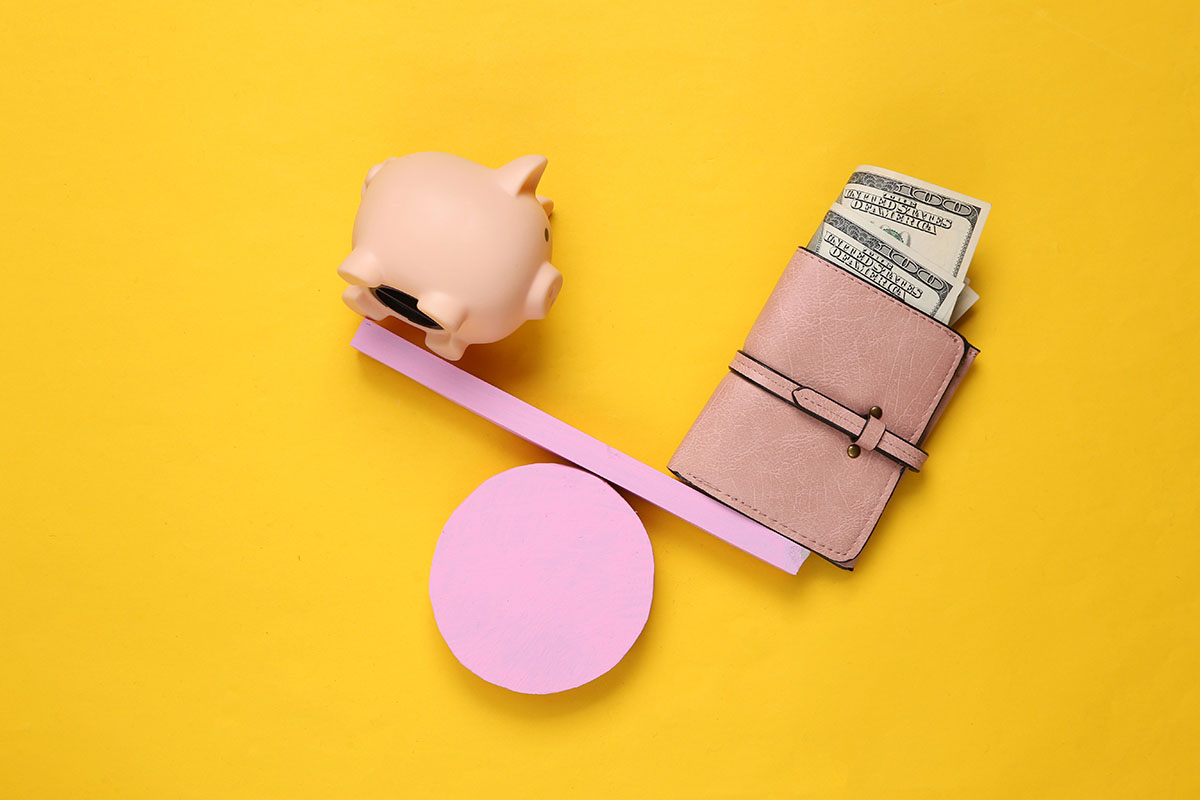
Commercial playground installation costs in Texas typically range from $35,000 to over $200,000 for a fully finished site. Smaller layouts for early childhood centres or local HOAs sit on the lower end of that scale. Expansive regional parks, school district grounds, and municipal spaces easily exceed $250,000 when integrating custom structures, shade, and poured surfacing.
A commercial playground build consists of four main financial pillars: play equipment, site preparation, safety surfacing, and professional assembly. Regional factors specific to Texas, such as high summer heat, expansive clay soils, and localized wind loads, also affect total project expenditures.
Breaking Down the Core Budget Components
Every commercial playground budget divides into distinct categories. Allocating funds across these line items ensures the finished site remains compliant with national safety standards while meeting community needs.
Play Structures and Equipment (40% to 50% of Budget)
The physical play structure forms the center of the investment. Small commercial units designed for 15 to 20 children generally start between $15,000 and $25,000. Larger composite structures with multiple slides, climbers, overhead events, and inclusive play panels range from $45,000 to $85,000+. Custom themed designs, inclusive sensory features, and high-capacity structures drive equipment investments higher. Commercial equipment relies on heavy-gauge powder-coated steel posts, rotomolded plastic components, and UV-stabilized coatings to withstand heavy daily use.
Safety Surfacing (20% to 35% of Budget)

Safety surfacing protects children from fall injuries and must match the maximum fall height of the highest play platform. Material choices directly dictate both upfront expenditures and long-term maintenance needs:
- Engineered Wood Fiber (EWF): Costs $3 to $6 per square foot installed. While budget-friendly initially, it requires regular raking, re-leveling, and periodic top-offs to maintain safety depth.
- Poured-in-Place (PIP) Rubber: Costs $12 to $22+ per square foot installed. It provides a seamless, highly accessible surface that accommodates wheelchairs, lasts for years, and requires minimal daily maintenance.
- Synthetic Playground Turf: Costs $10 to $18 per square foot installed. It combines a clean, natural aesthetic with shock-absorbing foam underlayment for fall protection.
- Interlocking Rubber Tiles: Costs $10 to $16 per square foot installed. This option delivers firm accessibility and consistent impact absorption across targeted use zones.
Installation Labor and Assembly (20% to 30% of Equipment Cost)
Professional installation ensures full compliance with ASTM F1487 guidelines and CPSC safety standards. Certified installation crews manage structural assembly, excavation for concrete footings, post anchoring, and hardware torque verification. Standard installation labor typically costs between $8,000 and $20,000 depending on structure complexity, site access, and total footing counts.
| Category | Budget Allocation |
| Play Equipment & Amenities | 45% |
| Safety Surfacing Systems | 25% |
| Assembly & Labor Costs | 15% |
| Site Prep & Earthwork | 10% |
| Permits, Freight & Extras | 5% |
Texas-Specific Factors Influencing Overall Costs
Building outdoor amenities in Texas introduces specific environment-driven requirements that impact overall pricing.
Sun Protection and Shade Canopies
Texas heat makes shade structures essential additions rather than secondary accessories. Unshaded plastic slides and steel decks reach high surface temperatures quickly under direct sunlight, rendering equipment unusable during summer months. Adding integrated hip-roof shade canopies or standalone sail shade structures adds $5,000 to $25,000+ to a project. Shade structures protect children from harmful UV rays while extending the lifespan of plastics and coatings by preventing sun degradation.
Earthwork, Soil Conditions, and Drainage
Much of Texas features expansive black clay soil or rocky limestone terrain. Highly expansive clay shifts dramatically during dry and wet cycles, requiring deeper concrete footings and proper aggregate sub-bases to stabilize posts. Rocky soil requires heavy auger equipment during excavation, which increases initial labor hours.
Site grading and drainage preparation generally cost $3,000 to $15,000. Correct slope correction and sub-surface drainage installation prevent standing water, which destroys loose-fill surfacing and undermines concrete foundations.
Hidden Costs to Include in Your Planning
A successful project plan includes secondary line items that sit outside the core equipment quote. Failing to track these expenses leads to budget shortfalls during construction.
- Freight and Delivery: Shipping heavy steel, commercial plastics, and bulk surfacing materials across long distances requires flatbed freight services. Budget $2,500 to $7,000 for freight depending on order size and delivery logistics.
- Demolition and Removal: Replacing an existing structure requires tear-out labor, concrete footing removal, and disposal fees. Old structure demolition adds $3,000 to $10,000 to early site costs.
- Site Amenities and Borders: Heavy-duty plastic or concrete border timbers contain loose-fill surfacing materials. Adding benches, trash receptacles, perimeter fencing, and accessible concrete pathways adds $4,000 to $15,000.
- Permits and Engineering: Municipalities often require stamped engineered drawings for footings and shade sails to verify local wind load resistance. Permitting fees and local inspections cost $500 to $2,500.
Estimating Total Project Tiers
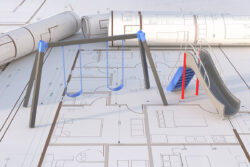
Project scope dictates total financial commitment. The table below breaks down expected total investments across common commercial applications, including equipment, surfacing, site prep, and installation.
| Project Tier | Scope & Capacity | Common Applications | Total Turnkey Cost Range |
| Basic / Early Childhood | Compact structure, 10–20 children, engineered wood fiber surfacing | Daycares, private preschools, small HOAs | $35,000 – $65,000 |
| Standard Community | Medium structure, swings, shade canopy, poured or hybrid surfacing | Elementary schools, mid-size parks, large HOAs | $65,000 – $135,000 |
| Large Destination | High-capacity custom structure, full shade, poured rubber, inclusive features | Municipal parks, school district headquarters, regional spaces | $135,000 – $250,000+ |
FAQs
How long does a commercial playground installation take?
Equipment manufacturing and freight shipping take 6 to 12 weeks. On-site installation, including excavation, concrete curing, structure assembly, and surfacing application, typically takes 1 to 3 weeks depending on site weather and total footprint size.
Can volunteers assemble a commercial playground to save money?
Organizing a community build reduces installation labor expenses, but certified supervision remains necessary. A Certified Playground Safety Inspector (CPSI) must oversee the assembly to preserve manufacturer warranties and verify full compliance with safety standards.
What is the cheapest safety surfacing option?

Engineered wood fiber presents the lowest initial purchase price per square foot. However, long-term costs accumulate over time due to required maintenance, periodic top-offs, and routine leveling to maintain required fall protection depths.
Are shade structures required for Texas commercial playgrounds?
While not legally mandated in every municipality, shade structures are essential additions due to intense Texas summer heat. Shades keep play surfaces cool, protect children from sunburn, and double the life of equipment components by reducing UV degradation.
What permits are required for playground construction in Texas?
Most cities and counties require commercial building permits, site plan reviews, and engineered structural drawings for deep footings and shade canopies. Local code enforcement officers inspect footing depth, concrete footings, and electrical clearance before sign-off.
Planning Your Commercial Playground Build
Building a commercial playground requires balancing upfront equipment choices, safety surfacing selections, site preparation requirements, and ongoing upkeep. Clear site assessment, thoughtful amenity selection, and experienced installation management keep the project on schedule and within budget.
Working with a full-service Texas contractor streamlines every stage of the process, from initial site layout and drainage design to final safety certification. Reviewing your usable footprint, establishing capacity targets, and identifying must-have shade features early establishes a clear path to a safe, durable outdoor space.
To start planning your park or playground project, visit T.F. Harper to connect with our construction and playground installation team.