Meta Description: Keep student and fan safety top of mind this football season with practical bleacher repair tips, building code basics, and maintenance guidelines for school stadiums.
Bleacher Safety: Fixes and Maintenance Before Kickoff
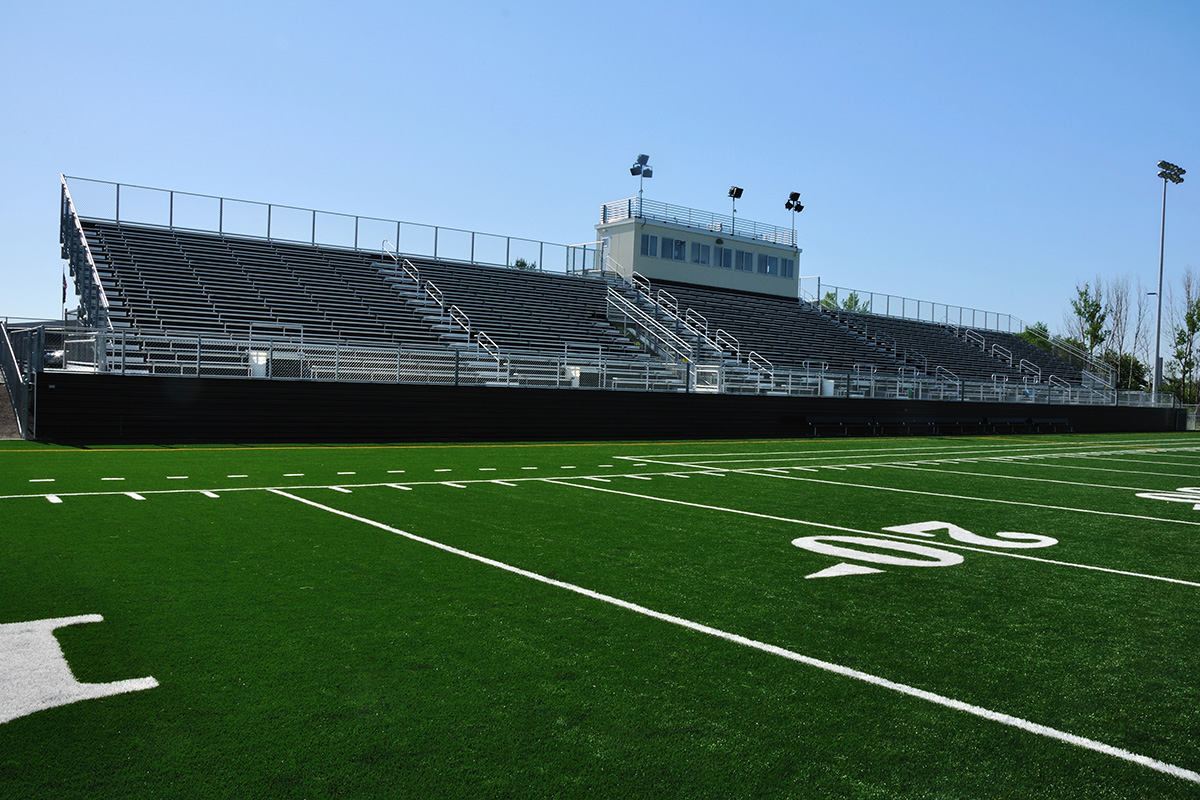
As football season gets closer, school administrators, athletic directors, and facility managers have long lists of prep work. Stadium lights need testing, turf fields get groomed, and concession stands get stocked. Yet one major area often gets overlooked until something breaks: grandstands and bleachers.
Outdoor seating takes a beating all year long. Texas heat, heavy rains, shifting temperatures, and off-season downtime cause subtle wear on metal and hardware. When Friday night lights turn on and thousands of fans fill the stands, ignored loose bolts or cracked frames turn into real safety hazards. Checking and fixing bleachers before opening night protects visitors and keeps game-day operations running smoothly.
Why Pre-Season Bleacher Inspections Matter
Bleachers face physical demands that typical buildings never see. Packed crowds sitting still combined with hundreds of fans jumping and cheering put heavy stress on every bracket, weld, and bolt.

Running a complete check before the first home game delivers three major advantages:
- Fewer Accidents: Finding cracked footboards, missing fasteners, or loose rails prevents falls long before crowds arrive.
- Lower Repair Costs: Fixing minor hardware shifts now avoids expensive emergency replacements right before a rivalry game.
- No Closed Sections: Planned fixes mean you won’t have to rope off entire sections on game day, keeping seating capacity high.
Setting up a step-by-step walkthrough early gives your team enough time to order hard-to-find hardware or hire a specialized crew for complex repairs.
Where to Look During Your Bleacher Audit
Evaluating grandstands requires a systematic, top-to-bottom inspection approach. Pay close attention to high-traffic areas and spots vulnerable to weather damage.
1. Guardrail and Enclosure Systems
Building codes set strict requirements for elevated seating. Openings along the back and sides must keep fans safe from falls. Guardrails must sit at least 42 inches above the nearest footboard. Safety netting or vertical pickets must also block any opening larger than 4 inches across all areas higher than 30 inches off the ground. Push on every rail to confirm there is no sway or loose attachment.
2. Riser and Footboard Gaps
Older bleachers often leave wide open spaces between seat boards and footboards. Standard guidelines, including NFPA 102 and International Building Code (IBC) rules, require riser panels to close any opening higher than 30 inches so a 4-inch ball cannot pass through. Installing solid riser panels eliminates trip hazards and stops young kids from slipping through gaps.
3. Fasteners, Connectors, and Welds
Constant shaking from foot traffic and metal expansion loosen nuts, bolts, and mounting clips over time. Maintenance crews need to walk underneath the stands to look for rusted, sheared, or missing hardware. Check aluminum frames for hair-line cracks near welded joints, and inspect steel framing for deep rust that compromises load capacity.
4. Walkways, Aisle Steps, and Handrails
Aisles take heavy foot traffic before kickoff, during halftime, and right after the final whistle. Missing non-slip tape, uneven step heights, or wobbly center handrails lead straight to slip-and-fall injuries. Make sure handrails are anchor-solid, step edges are clearly marked, and metal edges don’t catch on clothing.
5. ADA Accessibility and Sightlines
Under the Americans with Disabilities Act (ADA), bleachers must feature accessible routes and dedicated wheelchair spaces with companion seating. Confirm that access ramps have manageable slopes, sturdy handrails, and smooth transitions off the concrete pad. Accessible spots should also offer an unobstructed view of the field.
Key Code Requirements at a Glance

Managing public seating means following state and national safety regulations.
Essential Safety Checklist
- Guardrail Height: At least 42 inches above footboards on elevated areas
- Riser Openings: Closed down so no gap exceeds 4 inches above 30″ high
- Guardrail Pickets: Spaced tight enough to block a 4-inch sphere
- ADA Features: Accessible ramps, companion seats, and clear sightlines
- Hardware Audit: Tight, rust-free bolts and intact frame welds
You don’t always need to tear down old grandstands to meet code. Many existing metal frameworks accept retrofit kits, including updated guardrails, continuous riser panels, new aisle steps, and retrofitted handrails. Working with experienced contractors helps you decide whether simple repair kits, targeted upgrades, or full replacements make the most sense for your budget.
Building a Year-Round Maintenance Protocol
Fixing issues before kickoff handles immediate needs, but athletic seating requires ongoing care to last. Setting up a steady schedule protects your school’s equipment investment over time.
- Post-Game Visual Checks: Have cleanup crews flag loose boards, missing end caps, or unusual movement right after big events.
- Bi-Annual Bolt Audits: Set aside time every spring and late summer to check and tighten structural hardware to recommended specs.
- Professional Structural Reviews: Hire park construction or structural specialists periodically to run thorough safety checks.
- Maintenance Logs: Keep written records of repairs, replacement parts, and dates for all inspections.
Taking a structured approach keeps your community safe and preserves your stadium budget.
FAQs
How often should stadium bleachers receive a professional check?
Grandstands need a professional structural check once a year before major sports seasons begin. Facility staff should also run quick visual walk-throughs before and after every major event to spot fresh problems.
What is the 4-inch sphere rule?
The 4-inch sphere rule is a safety standard meant to protect children from falling. It mandates that no gap higher than 30 inches off the ground can allow a solid 4-inch sphere to fit through, including spaces between seat boards, footboards, and guardrail pickets.
Can older bleachers be retrofitted without replacing the whole structure?
Yes. Most solid structural frames can accept upgrade kits. You can add riser closure panels, updated guardrails, vertical pickets, and ADA-compliant ramps to older frames to meet current codes without paying for a full teardown.
What are the main signs of wear in aluminum bleachers?
Watch for shaky guardrails, loose or missing bolts, bowed footboards, hairline fractures along welded joints, and uneven aisle steps. Rust scaling on steel understructure supports is another red flag.
What ADA guidelines apply to high school bleachers?

Bleachers must provide level wheelchair locations with clear field views, paired companion seats, and accessible ramps or pathways. The total number of required wheelchair spaces depends directly on your total seating capacity.
Get Your Stands Ready for Game Day
Preparing athletic venues for a full stadium takes experience, precise work, and a clear focus on visitor safety. Overlooking small repairs can lead to sudden closure notices or real injuries right when crowd size hits its peak.
T.F. Harper & Associates LP brings over 50 years of experience in Texas park construction, athletic seating, and site infrastructure. From safety audits and code retrofits to new grandstand builds, our team helps schools, cities, and private venues keep their sports facilities safe and compliant.
Reach out to T.F. Harper to schedule your pre-season bleacher evaluation before the season starts.