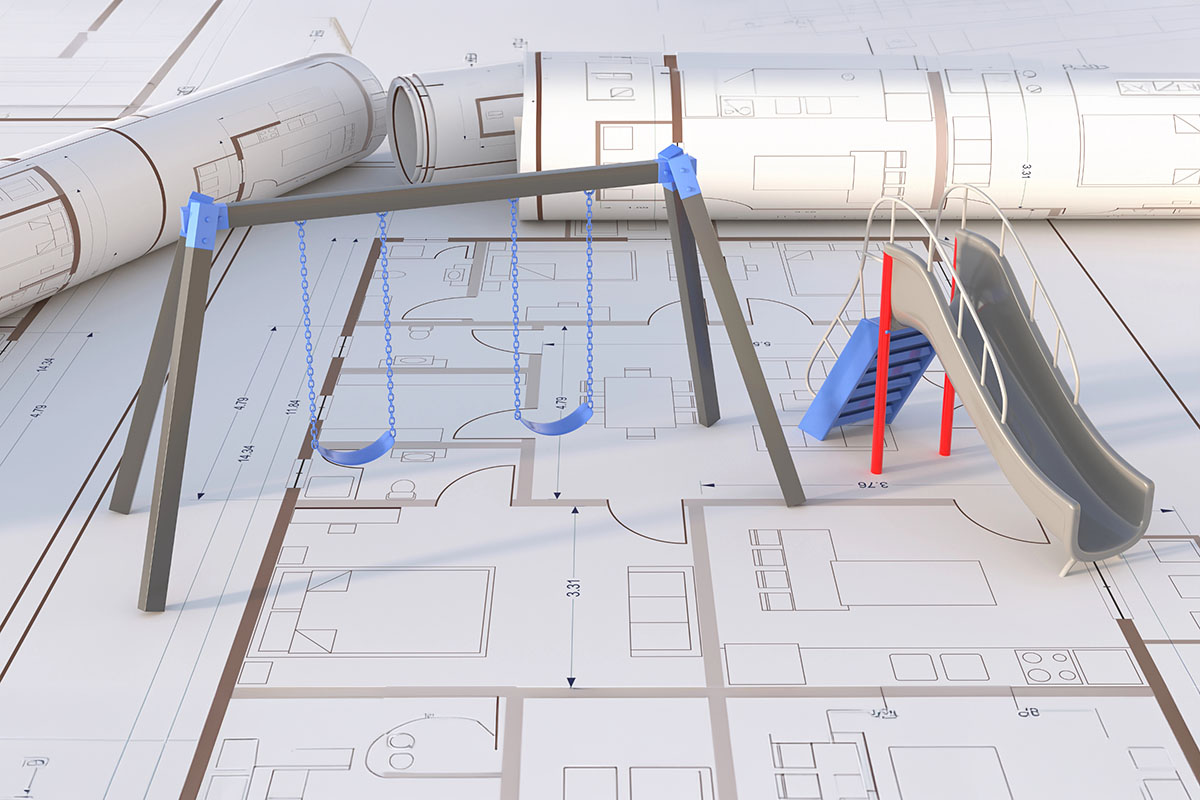
Setting up ground for a Texas park project takes direct attention to local weather, tricky soils, and how different materials work together. Extreme heat, sudden heavy downpours, and shifting clay put immense physical demands on outdoor builds. Skipping foundational prep work leads to cracked concrete, shifting play areas, pooling water, and early structural failure.
City planners and project managers naturally focus on visible features like playground sets, shade canopies, or basketball courts. Yet the ground underneath those assets dictates how many years they actually last. Ground conditions control load distribution, water runoff, and long-term stability. Fixing basic site prep issues during early design keeps projects on schedule and budgets intact.
1. Skipping Soil Analysis on Expansion-Prone Texas Clay
Central and North Texas ground holds thick pockets of expanding clay. This soil takes in large amounts of water during heavy rainstorms, swelling rapidly. During long summer droughts, that same clay dries out, shrinks, and splits open with deep cracks. That continuous ground movement shifts foundations, twists walkways, and cracks concrete sports pads.
Building amenities straight over raw clay causes ongoing structural damage. Soil shifts underneath a slab place uneven stress on concrete, producing surface fractures. Over time, these cracks widen, letting rain flow under the pad and worsening ground movement. Playground footings then tilt or sink, breaking safety zones and leaving dangerous hazards behind.

Fixing clay issues starts with testing soil samples before digging. A lab test identifies moisture retention and expansion levels. Crews usually scoop out top soil layers, replacing them with stable rock aggregate or mixing in lime or cement to lock the soil in place. A balanced sub-base absorbs deep moisture changes, protecting top structures from vertical movement.
2. Ignoring Local Water Runoff and Grading Needs
Texas storms frequently drop heavy rain in short bursts. Poor ground shaping leaves water standing around equipment footings, concrete borders, and rubber safety pads. Trapped water breaks down base layers, washes away loose wood mulch, and rots poured rubber flooring.
Ground grading needs to push surface water away from high-use areas and structure bases. Flat ground causes pooling, while overly steep slopes wash out crushed rock and accelerate soil erosion. Drainage plans must factor in nearby terrain, existing structures, and local rainfall averages.
Installing underground drainage stops water from building up under park assets. Perforated drain pipes wrapped in fabric filter excess groundwater and route it away from key structures. Surface catch basins and shallow gravel channels help handle heavy runoff without cutting deep erosion gullies through the park. Clear drainage paths double the life of surface assets.
3. Skipping Proper Sub-Base Compaction
The base material supports every single layer above it. Dumping gravel or crushed rock without thorough compaction leaves hidden air pockets through the material. Over time, maintenance trucks, foot traffic, and rain force loose rock to settle into those empty voids.
Uncompacted bases cause surface dips, deep ruts, and uneven settling. Poured rubber poured over a shifting base will tear and buckle as the ground sinks underneath. Asphalt walking trails form potholes and broken edges when the base gives way under light utility vehicles.
Proper compaction means spreading aggregate in shallow lifts, usually four to six inches thick, and rolling each pass with heavy vibratory equipment. Checking compaction levels with a density gauge confirms the base meets structural weight specs before top layers go down. Solid compaction creates a reliable foundation built to carry heavy loads for decades.
4. Picking the Wrong Base Material for Safety Surfaces
Poured rubber, artificial turf, and engineered wood fiber each require specific base designs. Matching the wrong base to a surface material leads to peeling, bad drainage, and fast wear. For example, laying rubberized surfacing over damp or smooth concrete ruins the chemical bond.
| Surface Type | Recommended Base | Common Selection Error |
| Poured-in-Place Rubber | Angular crushed stone or porous concrete | Using smooth round pea gravel that shifts under weight |
| Synthetic Turf | Compacted crushed aggregate with fines | Skipping stabilization fabric underneath |
| Engineered Wood Fiber | Well-drained crushed rock base | Placing wood mulch straight onto raw soil or clay |
| Concrete Walkways | Dense crushed stone base | Leaving out moisture barriers over damp ground |

Following manufacturer base guidelines protects product warranties and safety ratings. Stone bases need sharp, angular aggregate instead of smooth river gravel. Angular rocks interlock tightly when rolled, creating a solid base that lets water drain while holding its shape.
5. Leaving Out Geotextile Fabric Layers
Geotextile fabric acts as a physical separator between raw subsoil and clean imported rock bases. Leaving it out allows wet clay to work its way up into the clean crushed stone above over time. Rain movement drives fine clay particles into rock voids, clogging drainage and softening the base layer.
Without a separation barrier, heavy gravel sinks directly into soft ground under heavy weight. Park paths develop deep wheel ruts, and playground fall zones lose their impact padding. Weeds also grow right up through the rock base when fabric is missing, adding unnecessary maintenance work.
Rolling out heavy-duty woven or non-woven geotextile fabric over bare soil stops layers from mixing. Non-woven fabric lets water filter through while trapping dirt particles. Woven options add extra tensile strength over soft, unstable ground. Overlapping fabric seams generously stops mud from squeezing through the joints, preserving base strength for years.
FAQs
Why does Texas soil present unique challenges for outdoor construction?
Texas holds large areas of expansive clay soil that swells when wet and shrinks when dry. This constant ground movement cracks concrete slabs, tilts equipment bases, and ruins surfacing.
How thick should a playground crushed rock base be?
Most commercial playground installations need a four to six-inch layer of compacted aggregate stone. Exact depth depends on local soil strength, water drainage requirements, and surface manufacturer specs.
What is the distinction between woven and non-woven fabric?
Woven fabric provides strong load support for soil stabilization under heavy paving. Non-woven fabric allows fast water drainage while filtering fine dirt, making it the right pick for underground drains and rubber surfacing.
How does standing water shorten park surface lifespans?
Standing water breaks down glue binders in poured rubber, rots wood surfacing, and washes away sub-base rock. Trapped water under surface layers also causes swelling, mold growth, and surface peeling.
Can an existing concrete slab be reused for new surface materials?

Old concrete works if it remains level, structurally solid, and properly sloped for water runoff. Existing cracks need repair and moisture issues must be solved before laying down new surface materials.
Building Reliable Texas Parks from the Ground Up
Long-lasting park builds rely on ground prep that respects local soil conditions, water drainage, and structural loads. Compacting base layers, installing fabric barriers, and matching base materials to top surfaces stops costly repairs down the road. Taking care of foundational steps keeps public spaces safe, useful, and open for years to come.
For hands-on support with park planning, site development, and commercial surfacing, connect with the team at T.F. Harper.