
When budgets get tight or bids come in high, the instinct is to start trimming. In construction, that usually means pulling features, picking cheaper materials, or shrinking scope.
That gap between what you want and what you can afford? It triggers a predictable response: start slashing. This reactive approach is plain old cost cutting. Sure, it lowers the upfront price, but it usually trades quality, durability, and function to get there. You’re solving a short-term money problem by creating a long-term operational one.
There’s a better way: Value Engineering (VE). People use the terms interchangeably, but VE and cost cutting aren’t the same thing. VE is a structured, creative process for getting more from your budget. The goal is to keep the performance and function your facility needs while spending less to get there. For school districts, municipalities, and businesses, knowing the difference between these two approaches is what separates a building that stays an asset from one that becomes a money pit.
The Trap of Cost Cutting
Cost cutting means removing scope or quality. It’s a straight line of deletion.
- Example: You wanted terrazzo flooring for a high-traffic school hallway, but to save money, you switch to vinyl composition tile (VCT).
- The result: You saved money on Day 1. But VCT needs constant waxing and stripping (expensive maintenance) and will wear out years before terrazzo would have.

Cost cutting only looks at the initial price tag. It ignores Total Cost of Ownership. In parks, recreation, and public facilities, this approach often produces buildings that look worn out within five years and bleed the maintenance budget for decades.
The Philosophy of Value Engineering
VE isn’t about removing things.The question isn’t “What can we get rid of?” It’s “Is there a better way to do this?”
Value comes down to a simple ratio: Value = Function / Cost.
You increase value by either improving the function or reducing the cost.
VE in action:

Your design calls for a custom-fabricated steel shade structure over a playground. The price is steep because of custom engineering and manufacturing lead times.
- The VE approach: The contractor suggests a pre-engineered shade system from a manufacturer like TF Harper.
- The result: Same function (shading the playground). Comparable look. But the cost drops significantly because the engineering already exists and the parts are standard. You spent less without giving anything up.
When to apply VE
How much value engineering can do for you depends heavily on when you start.
The design phase (the sweet spot)
This is where VE delivers the most with the least disruption. Delivery methods like Design-Build bring the construction team in while plans are still on paper. They can look at a structural design and say, “If we shift these columns, we can use lighter steel beams.” That change costs nothing on paper but saves thousands in materials.
The construction phase (too late)
Once building starts, VE opportunities shrink fast. Changes at this point are disruptive. Switching materials after submittals are approved or orders are placed usually causes delays that cost more than the savings. This is why traditional Design-Bid-Build methods struggle with real VE: the contractor shows up too late to offer useful input without slowing things down.
Practical Areas for Smart Savings

Experienced contractors focus their VE efforts on a few high-impact areas.
1. Site work and earthwork
Moving dirt is expensive. A good Design-Build team will study the grading plan. Can the design balance cut and fill so dirt doesn’t need to leave the site? Adjusting a building pad elevation by six inches can sometimes save tens of thousands in excavation without changing the building at all.
2. Standardization of materials
Custom sizes kill budgets. If a window opening is designed at 3 feet 2 inches, it needs a custom window. Adjust it to 3 feet 0 inches and you can buy off the shelf. VE hunts for these non-standard elements and brings them in line with what’s readily available.
3. MEP systems (mechanical, electrical, plumbing)
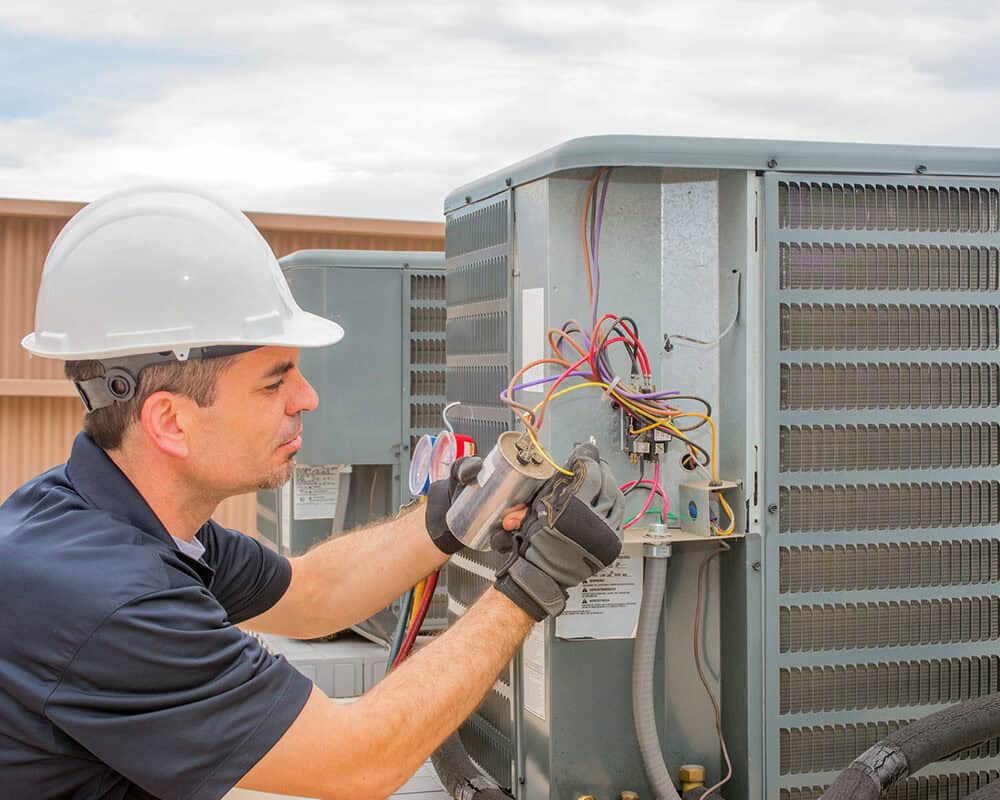
This is where lifecycle analysis really pays off. A cheaper HVAC unit (cost cutting) saves money now but costs more in electricity every month. VE might recommend a different system type (like VRF vs. VAV) that fits the building’s actual usage, saving on both installation and long-term energy bills.
The Role of JOC in Value Engineering

Job Order Contracting (JOC) is a natural fit for value engineering. Because JOC uses a pre-set Unit Price Book, the costs are out in the open.
When scoping a JOC project, the contractor and owner can sit down and compare options in real time.
- “Option A: Brick facade costs $X.”
- “Option B: Stone veneer costs $Y.”
Because the pricing is already locked in the contract, the owner can make informed trade-off decisions on the spot. It turns the budget conversation into a working session instead of a back-and-forth negotiation.
FAQs
Does value engineering always mean changing the design?
Not always. Sometimes VE is about how you build, not what you build. Using a different crane type or resequencing the work to be more efficient can save money without changing a single line on the blueprints.
Will the architect be offended by value engineering?
In traditional setups, architects can get defensive about their designs. But in a Design-Build environment, the architect and builder are on the same team working toward a shared goal. Most architects understand that a project over budget doesn’t get built, so they’re usually willing partners in VE.
How much can I expect to save with value engineering?
Every project is different, but a thorough VE process during design can typically save 5 to 15 percent. Just as important, it often produces a project that’s easier to maintain and operate long-term.
Is value engineering just for big projects?
No. The principles work at any scale. Whether you’re building a sports complex or renovating a single restroom, asking “Is there a more efficient way to do this?” is always worth the effort.
Is value engineering just a way to cut corners?
No. Real value engineering preserves function and quality while spending smarter. Cutting corners sacrifices performance or longevity. A structured VE process evaluates alternatives on their merits, not just their price tag.
When should value engineering happen in a project?
Ideally during early design, before final drawings and procurement. That timing allows changes without major rework. It can also happen during preconstruction reviews or JOC task order development.
Can value engineering improve quality?
Yes. Sometimes a more efficient material or design detail costs less and performs better, lasting longer or requiring less maintenance. The goal isn’t always to spend less. It’s to spend smarter.
How do we know if a contractor’s suggestion is valid?
Ask for data: lifecycle comparisons, performance references, and a clear explanation of functional equivalency and any trade-offs.
Is value engineering possible in publicly funded projects?
Yes. Public entities often use structured review processes to evaluate alternatives while keeping things transparent. JOC and Design-Build methods are particularly well suited for this kind of collaborative cost evaluation.
Making Savings Without Sacrificing Standards

Construction budgets take discipline. But discipline doesn’t mean stripping projects to the bare minimum. It means matching scope, design, and materials to long-term performance goals.
Value engineering is about thoughtful adjustments that keep a project’s integrity intact while controlling cost. Careless cost cutting might fix a budget problem today but create bigger problems down the road.
If you’re considering JOC or Design-Build for your next project, working with TF Harper can help make sure your savings decisions support your goals instead of working against them.