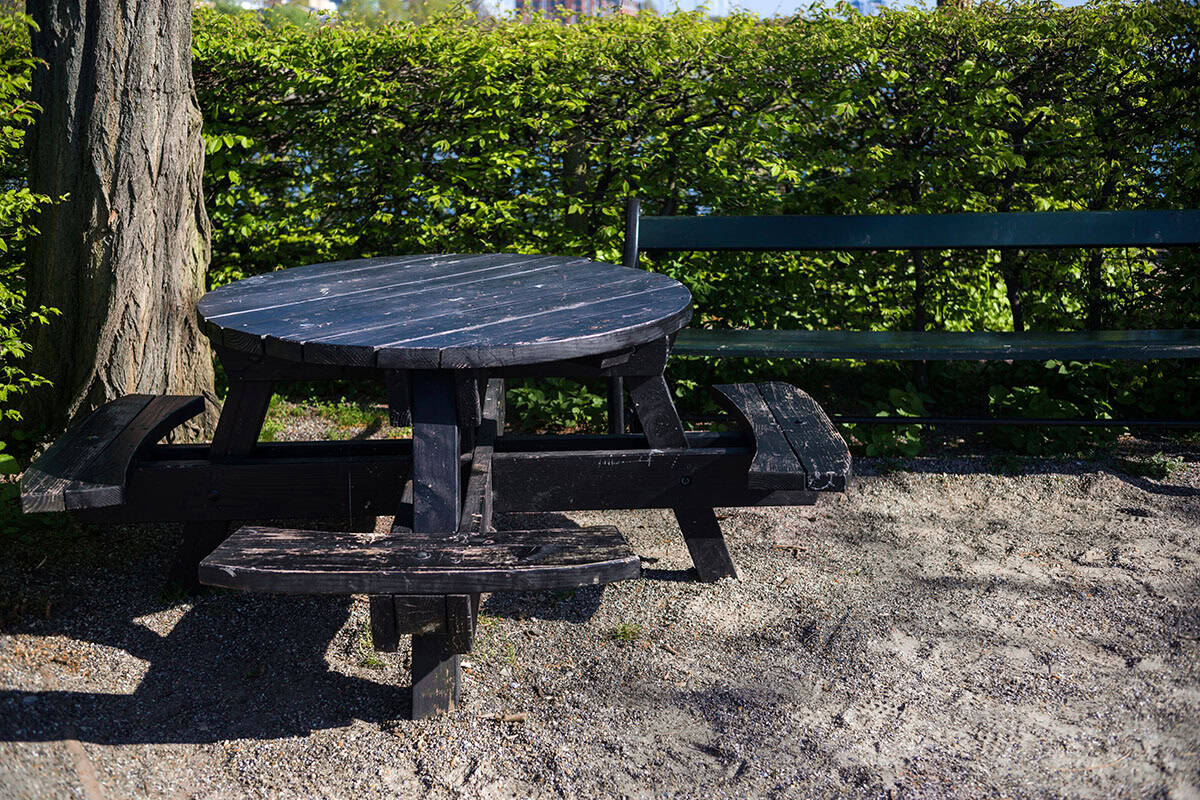
Parks and rec facilities are where communities show up. Playgrounds, athletic fields, walking trails, restrooms, shade structures: they all need regular attention. When budgets get tight, maintenance is usually the first thing pushed off.
Postponing a repair or upgrade might look like a money saver. More often, it just makes the final bill bigger.
For city planners and parks directors, the choice to delay kicks off a snowball of damage. A minor maintenance ticket turns into a full-blown capital replacement. Knowing what that delay actually costs is how you protect both your assets and your budget.
How Decay Compounds
The main reason deferred maintenance gets expensive is simple: the longer you wait, the more work there is. A small problem left alone invites secondary damage.

Take a crack in a tennis court or splash pad surface.
- Year 1: A sealant application fixes it. Cost: low.
- Year 3 (deferred): Water has worked into the crack, frozen, expanded, and eroded the sub-base. Now you’re cutting out concrete and repouring. Cost: moderate.
- Year 5 (deferred): Sub-base failure has spread. There’s a sinkhole or major heaving across the entire court. The surface can’t be repaired. You’re looking at full demolition and reconstruction. Cost: extreme.
Industry studies frequently reference the “Rule of 4”: every dollar you save by deferring maintenance today will cost you four dollars later. That’s a 400% penalty for waiting.
Liability and Safety
In parks and recreation, deferred maintenance isn’t just about money. It’s a liability problem. Public facilities have to meet strict safety standards, like ASTM (American Society for Testing and Materials) requirements for playgrounds.
When playground maintenance gets pushed off, rust weakens metal, UV rays break down plastic, and safety surfacing stops absorbing impacts the way it should. If equipment fails while a kid is on it, the lawsuit and the insurance premium spike will far exceed whatever that skipped repair would have cost.

Non-compliance with ADA standards from shifting sidewalks or eroded paths creates immediate legal exposure too. Facility upgrades aren’t cosmetic. They’re risk management.
The Efficiency Drain
For indoor rec centers, field houses, and park pavilions, deferred maintenance often means aging mechanical systems. Putting off an HVAC replacement or keeping old lighting seems like it saves capital.
But old systems bleed cash every month. An HVAC unit ten years past its prime works harder to cool the space, driving up utility bills. Leaking windows and uninsulated roofs waste that conditioned air. By the time you finally replace the unit, you’ve probably paid for the new system twice over in wasted electricity and emergency repair calls.
Getting It Done Without the Red Tape
The procurement process is often what stops repairs from happening. Bidding out a roof repair or playground resurfacing can feel like a project in itself. This is where Job Order Contracting (JOC) becomes a real asset for facility managers.

JOC lets you tackle deferred maintenance quickly. The contract and pricing are already established, so you don’t have to bundle ten small repairs into one massive capital project just to justify the bidding process. Issue a work order for the roof today and the playground tomorrow.
That speed lets you fix problems before they spread into full system failures.
FAQs
What’s the difference between capital improvement and deferred maintenance?
Capital improvement usually means new construction or major upgrades that add value or capacity, like building a new gym. Deferred maintenance means repairing or replacing existing assets to keep them working, like replacing the roof on that gym. But if maintenance gets deferred long enough, it becomes a capital replacement project anyway.
How do I justify maintenance costs to a board that wants new features?
Focus on the asset lifecycle. Show the board that extending the life of the current asset costs $2 per square foot, while total replacement in three years will cost $50 per square foot. Framing it as “asset protection” rather than just “repair” helps shift the conversation.
Does JOC work for emergency repairs?

Yes, and that’s one of its biggest strengths. If a boiler fails or a storm damages a park structure, JOC can get a contractor on-site within days or hours rather than months, preventing further damage from exposure or downtime.
Can upgrading facilities actually increase revenue?
It can. In parks and recreation, facility condition drives usage. A well-maintained sports complex attracts tournaments and leagues that pay rental fees. A run-down facility pushes them to neighboring districts. Maintenance is an investment in revenue.
How can municipalities fund park upgrades without blowing the budget?
Phased planning, bond programs, and structured delivery methods like JOC allow for gradual improvement while keeping finances in check. Prioritizing high-impact projects helps align upgrades with available funding.
When should a park facility be replaced rather than repaired?
If repair costs are approaching a significant percentage of replacement cost, or if the facility no longer meets safety or accessibility standards, replacement is probably the smarter long-term call.
Can JOC handle park improvements effectively?

Yes. JOC works well for recurring maintenance, smaller facility upgrades, and multi-site park improvements. It allows for quick mobilization and transparent pricing.
How do deferred maintenance issues affect insurance and liability?
Unaddressed safety hazards can increase liability exposure and insurance claims. Staying on top of maintenance reduces those risks and shows responsible management.
Act Before Costs Multiply
The most expensive building is the one you have to build twice because you didn’t maintain it the first time. Deferred maintenance quietly eats away at the value of your public assets.
Well-maintained parks show strong stewardship. Keeping repairs and upgrades on a planned schedule controls costs and reinforces community pride and safety.
If your organization is looking at upcoming improvements, consider partnering with TF Harper, who understands both JOC and Design-Build approaches. Planning now prevents bigger bills later.